We’ve worked with major retailers, including Ikea, H&M, Sonos and many more. Seasonality isn’t just about putting up decorations or changing your website banner. It’s about anticipating customer psychology, crafting irresistible incentives, and creating that all-important sense of urgency. Done right, seasonal thinking can turn casual browsers into loyal buyers — and loyal buyers into brand advocates.
Chapter 1: Customer Incentives
At the heart of every seasonal campaign is the customer incentive. Why should they buy now rather than later?
- Money Saved – discounts, bundles, and flash sales.
- Selling Fast – show real-time stock levels.
- Limited Stock – create urgency, lean into scarcity marketing.
The magic formula? People love to feel they’re getting value, but they love it even more when they believe they might miss out.
Chapter 2: Creativity to Persuade Customers
Seasonal marketing isn’t just transactional — it’s aspirational. Creativity helps brands cut through the noise.
- Limited Edition Products – exclusive runs encourage fast action.
- Brand Collaborations – think Kanye West × Adidas, where hype meets scarcity.
- Influencer-First Launches – let cultural leaders seed desire.
- FOMO, and More FOMO – social media thrives on it. Whether it’s lines outside a restaurant or countdown timers online, herd the humans to your product.
Chapter 3: Autumn & Christmas E-Commerce
Summer’s over, so what’s next? Cue pumpkins, cosy nights in, and holiday planning.
- Halloween – costumes, candy, decorations, all prime for quick-sell campaigns.
- Autumn Nights In – home comforts, candles, loungewear, streaming bundles.
- Christmas – family gifts, office parties, business exchanges, Secret Santa fun, and don’t forget the Boxing Day sales.
- New Year, New You (2026 Edition) – health, fitness, organisation, and lifestyle resets.
Seasonal thinking is all about aligning your products with your customers’ state of mind.
Chapter 4: Case Studies – Seasonal Campaigns That Worked
Here are some examples of how leading brands nailed their seasonal e-commerce strategies.
🇩🇪 Germany – Deiters (Costume Retailer)

Tactic: Dynamic product segmentation + campaign structure optimisation using Producthero CSS. Result: €500,000 revenue uplift during carnival/Halloween.
🇬🇧 UK – Ocado Retail (with M&S)
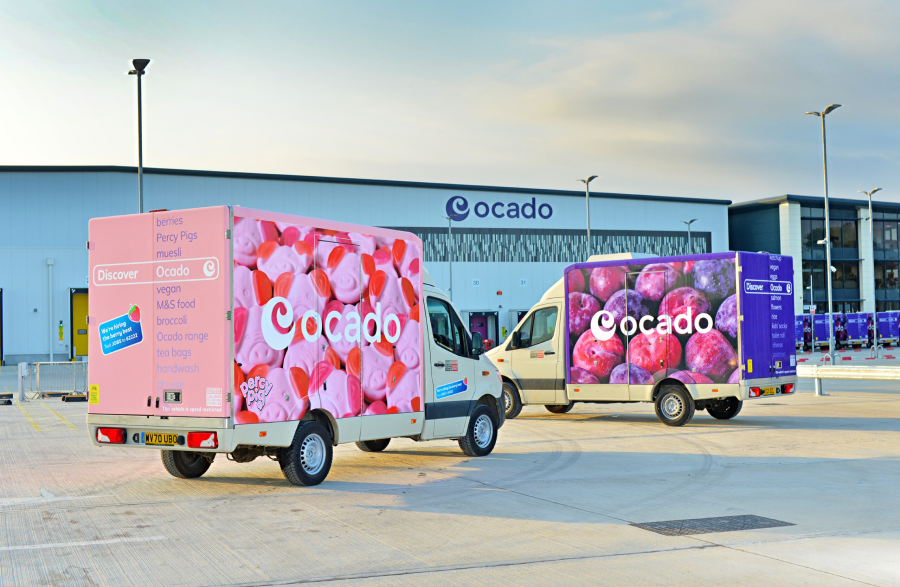
Tactic: Expanded seasonal assortment (nearly 100% of M&S range online) + value-driven messaging. Result: +17.5% retail revenue (£715.8M Q4), +17% sales volume, +16.9% weekly orders over Christmas.
🇺🇸 USA – Target
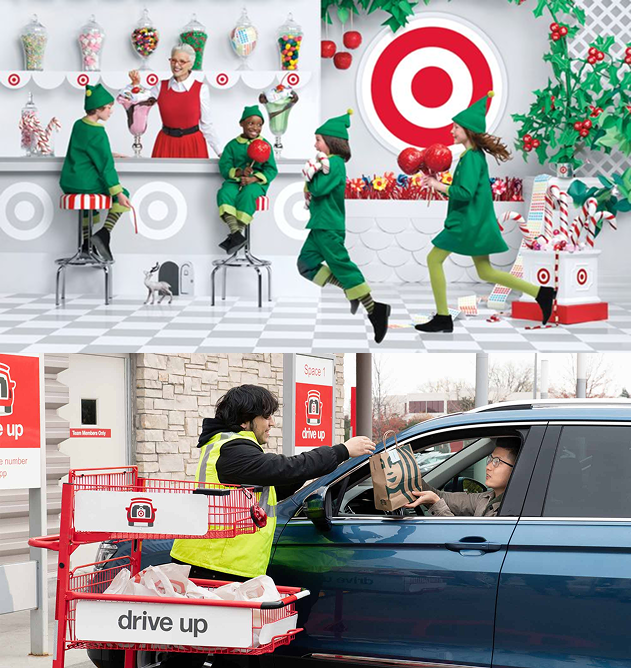
Tactic: Early personalised promotions via app + curbside pickup & same-day delivery incentives.
Result: Holiday digital sales up 20% YoY, Halloween sell-through at record highs.
🇯🇵 Japan – Rakuten Ichiba (Marketplace)

Tactic: Flash “Lucky Bag” (Fukubukuro) sales + bonus-pay-timed discounts.
Result: Double-digit GMV growth in Q4, “lucky bags” selling out within hours.
Chapter 5: Quick-Start Guide for Retailers
Want to put seasonal thinking into practice? Here’s your checklist:
- Map the Calendar – plot key holidays (local + global).
- Create Urgency – use scarcity tactics like countdowns and stock limits.
- Add Creativity – drop limited editions, collaborations, or influencer launches.
- Leverage FOMO – show social proof, highlight trending products.
- Segment Your Audiences – tailor offers for families, businesses, and lifestyle groups.
- Measure & Learn – track what resonates, scale what works.
Isn’t just a nice-to-have — it’s one of the most powerful levers for revenue growth. By combining customer incentives, creativity, and seasonal psychology, retailers can transform short-term spikes into long-term loyalty.
Frequently asked questions
When should seasonal pricing decisions be locked?
How do you avoid the discount death spiral?
What's the most-skipped step in seasonal retail e-commerce?
Published · Updated · Last reviewed
Reviewed by Frank Marr, Co-founder