At the 2024 World Travel Market (WTM), Benjamin Bryant and myself hosted the Media and Influencer Summit. Here is the first of two insights from the summit.
The first forum was on The Role of Media and PR in Geo-Economics. We invited UK Gen Z travel celebrity Alfie Watts , Sally Bunnell CEO of NaviSavi Travel, and Chloe Berman from Intrepid Travel to join.
Topics ranged from the transformative power of AI and digital tools to the evolving role of influencers in shaping narratives. We explored how long-term communication strategies must adapt to these challenges, preparing for the changes 2025 might bring.
The media landscape has never been more vibrant. With millions of new voices, platforms, and ideas, the ways in which messages are shared and consumed are shifting dramatically. As entrepreneurial influencers and creators rise to prominence, traditional outlets are competing to stay relevant. Podcasts, YouTube channels, and social media platforms —are reshaping the boundaries of news and storytelling.
Here are five big talking points to consider.
1. Locality and Community-Centric Content
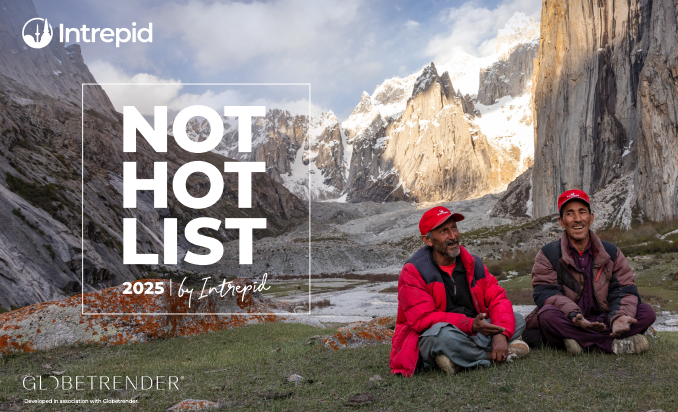
Local storytelling is taking centre stage. Travellers are craving experiences rooted in authenticity, and tourism operators are responding by partnering with locals to share their unique perspectives. Companies like Intrepid Travel have spearheaded initiatives such as the Not Hot List, spotlighting lesser-known destinations and supporting local economies. This trend highlights a growing appreciation for authentic, community-driven narratives that add depth to travel experiences.
2. Authenticity and Locality Over Glamour
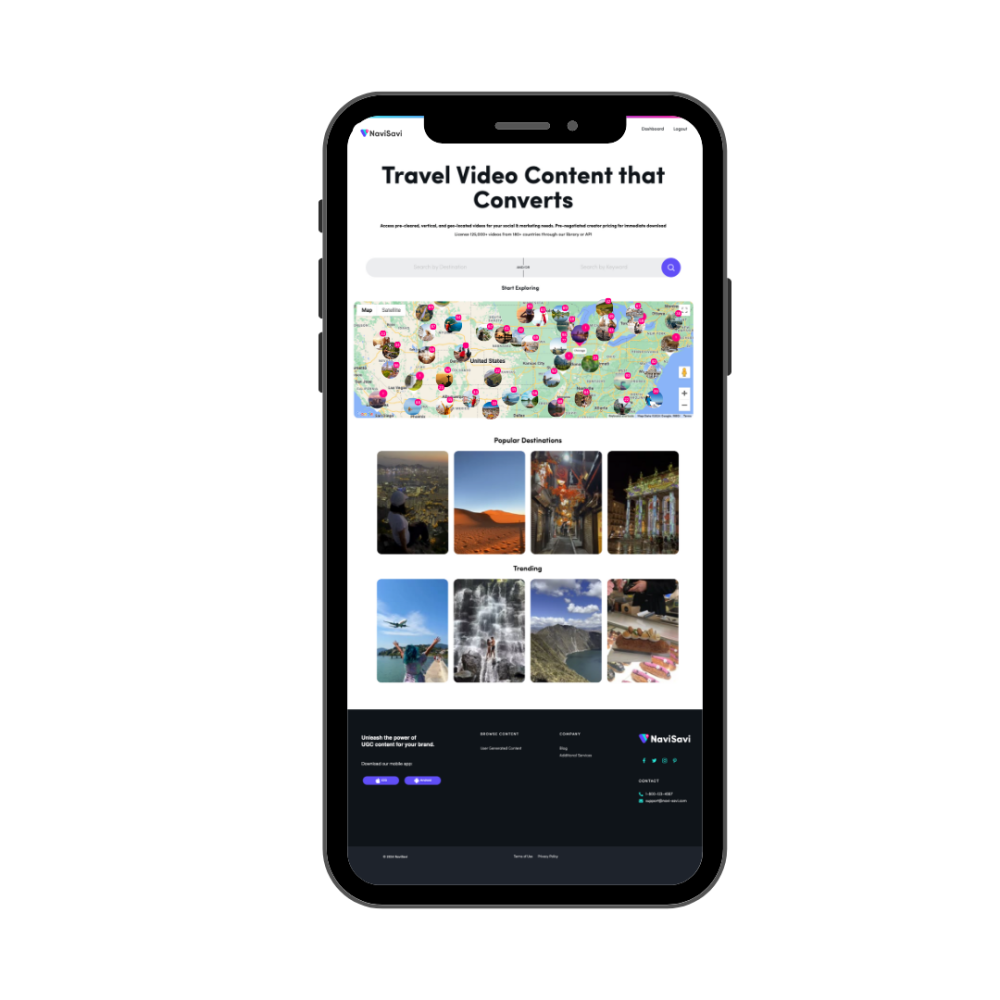
'Digital locality' is everything. Traditionally, travellers would ask for directions and ideas - now this has become part of digital communication - to provide authentic insights. User generated content platforms like NaviSavi Travel give brands access to over 120,000+ videos, from 5,000+ content creators (both locals and travellers). Gone are the days of highly curated, glossy travel visuals. Today’s travellers, particularly younger generations, are drawn to raw, unfiltered content that showcases real-life experiences like the videos from USG platform NaviSavi. Tourism boards and influencers are shifting towards honest portrayals, challenging mainstream stereotypes. Authenticity builds trust, creating a deeper connection with audiences and fostering meaningful engagement.
3. Sustainability as a Priority
Greenwashing is no longer tolerated, with consumers demanding measurable sustainability efforts and transparent reporting. Intrepid Travel exemplifies this trend by publishing carbon footprints and committing to tangible environmental goals. PR and marketing strategies now focus on clear, evidence-based messaging, ensuring that terms like “eco-friendly” or “sustainable” carry substance.
4. Integration of Media and PR Teams
The convergence of traditional and digital media has blurred the lines between journalists and content creators. Social media platforms are now integral to news dissemination, and companies are adapting by unifying their PR and social media strategies. By fostering collaboration between these teams, organisations like TUI and Emerging Travel Group are creating cohesive, multichannel storytelling that resonates across platforms.
5. The Rise of Digital Nomads and "Off-the-Beaten-Path" Tourism
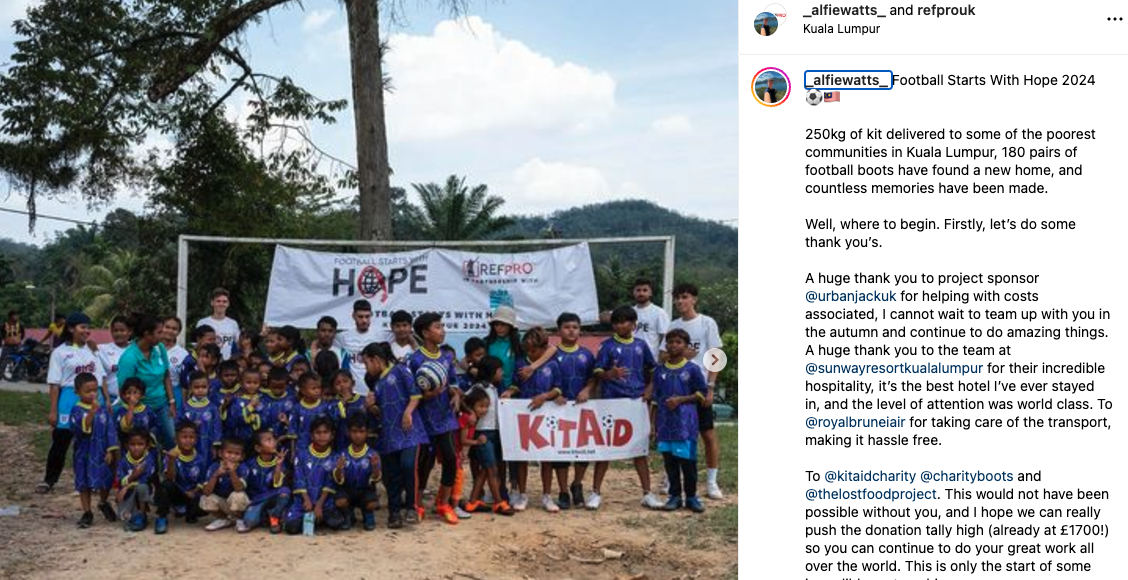
Alfie Watts pointed out, digital nomads are emerging as influential voices in promoting lesser-known destinations, and important global cuases. Through organic content creation, they’ve turned hidden gems like Albania, Somalia and Mongolia into alternative destinations.
Tourism marketing is increasingly shaped by these niche communities, and locality - inspiring a new wave of exploration that focuses on unconventional locales and off-the-beaten-path adventures.
The future of travel media and PR is a dynamic blend of innovation, collaboration, and authenticity. As we navigate this exciting evolution, staying attuned to these trends will be critical in shaping the narratives of tomorrow’s travellers.
Frequently asked questions
Why is community-centric content winning over polished destination ads?
How important is sustainability to actual booking decisions?
Who are 'digital nomads' in this market, practically?
Published · Updated · Last reviewed
Reviewed by Frank Marr, Co-founder