At the World Travel Market (WTM) London Media and Influencer Summit Insights. Experts shared their experiences managing media and maximising tourism opportunities around global sports events such as the Olympics and the FIFA World Cup. Panellists included: Katja Nared of the Slovenian Tourist Board ; Wes Hosie of Rise at Seven; and James Lamon of Footballco.
Consumer Demand for Real-Life and Virtual Experiences
Consumers are chasing healthier lifestyles, and demanding more smartphone media entertainment. The opportunities to use media experiences to drive trickle-down tourism economics through strategic marketing have never been greater.
Major events such as sports tournaments, festivals, and special city recognition awards offer unparalleled potential to stimulate tourism. But how can destinations capitalise on these opportunities to ensure the benefits extend beyond the event itself?
Harnessing Sports & Cultural Events for Tourism Economic Success - Part Two
Major sporting events like the Olympics, the FIFA World Cup, or the Super Bowl capture global attention, creating unique opportunities to boost tourism and brand. But how can tourist organisations and destinations ensure the benefits endure after the closing ceremony?
1. Live Digital Experiences and Social Media to Bring the Event to Life
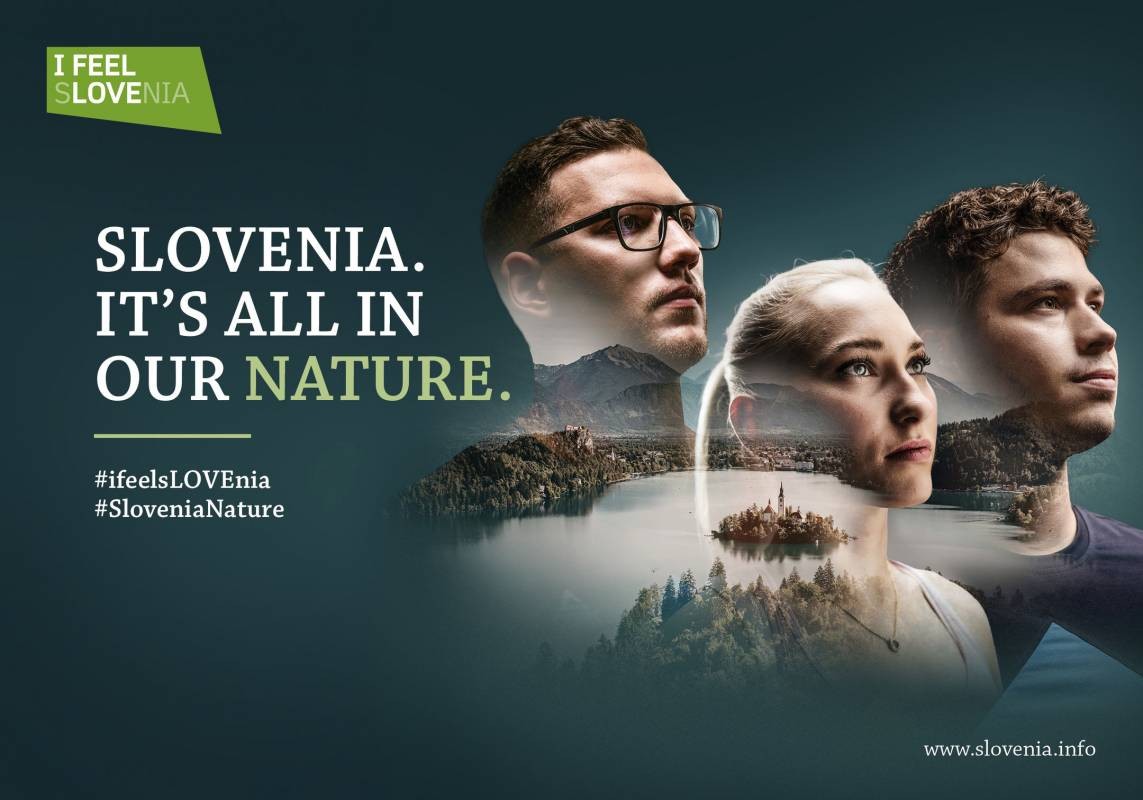
Social platforms can transform spectators into participants. By offering a "front-row seat" to global audiences, destinations can showcase their culture and hospitality. For instance, the the Slovenia Tourist Board's Olympic campaigns featured athletes as ambassadors, blending sports with stunning imagery of the nation’s natural beauty to inspire audiences to experience the destination beyond the realm of sports.
2. Create Authentic Narratives – AI Can Create a Generic World, but Authenticity Attracts
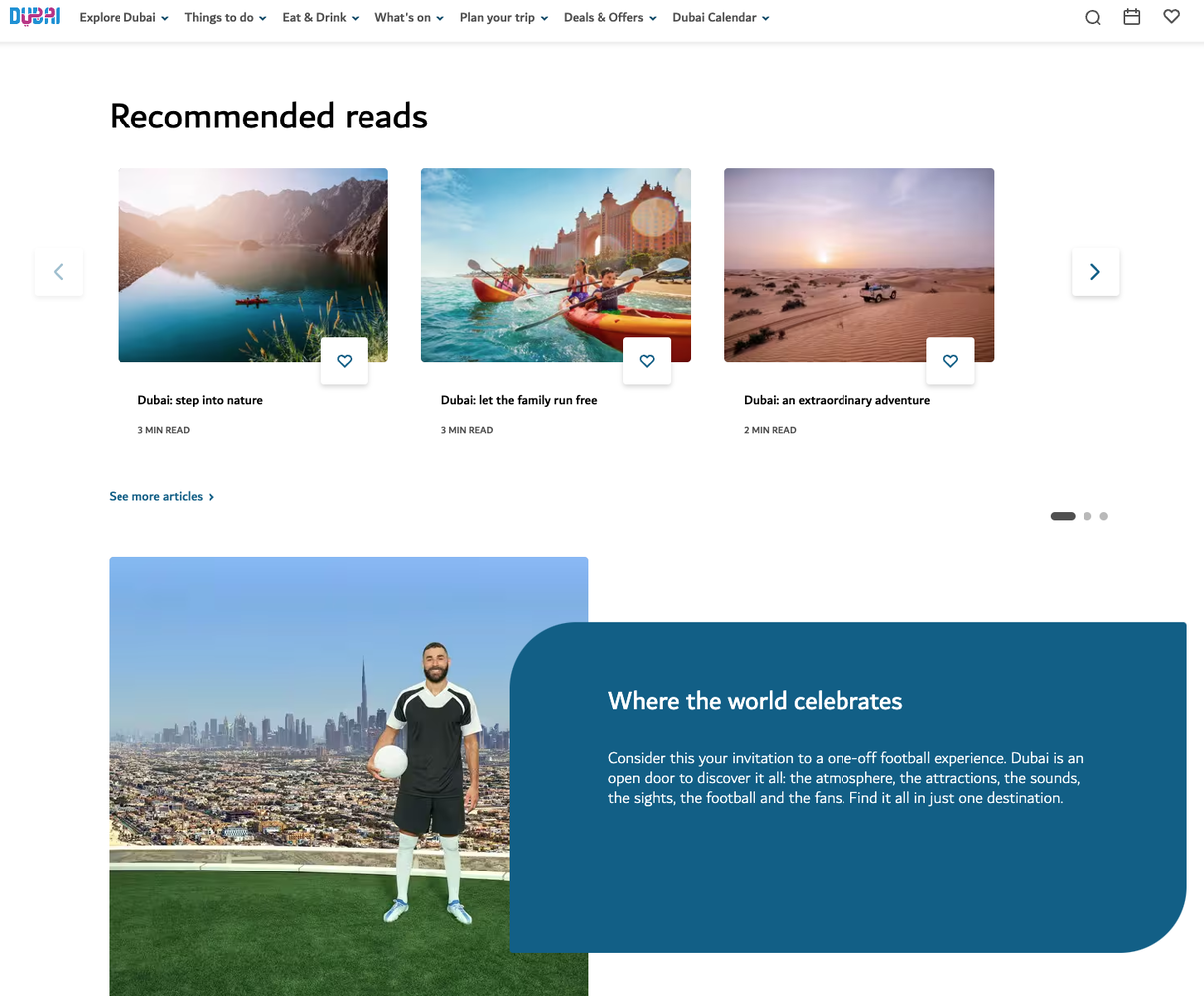
Authenticity is key to standing out. Stories that align with local culture and values create a genuine connection. Footballco highlights traditions, food, and music tied to events, as seen in Dubai Department of Economy and Tourism ’s World Cup campaign featuring Karim Benzema, which celebrated the region’s vibrant lifestyle.
“Every organisation must understand what the opportunity is. What's your white space? Whether you're the chicken chain or the burger chain, there’s going to be a fit. What we do for our clients is ensure we have really high football IQ,” mentions James Lamon .
3. Embrace Emotional Marketing
Sports unite people and evoke deep passion in the domestic market. Katja Nared believes "Tourism organisations can be reactive, harness these emotions by spotlighting moments of pride and joy through reactive social media posting and targeting informative algorithms". For example, Slovenia’s viral image of two athletes sharing a podium moment resonated globally. The Slovenian Tourist Board frequently uses sports heroes like Luka Dončić ( Dallas Mavericks ) to connect with US, and global audiences, extending their cultural reach.
4. Make Investments Count – Plan for a Long-Term Strategy
A long-term strategy is essential to maximise collaborations and content sharing. Wes Hosie emphasises the importance of not ending campaigns with the event and developing legacy. Building a narrative that sustains interest. For instance, linking campaigns to ongoing sports competitions keeps fans engaged and maintains momentum, illustrating how the destination continues to thrive post-event.
5. Content Inclusion and Local Ambassadors
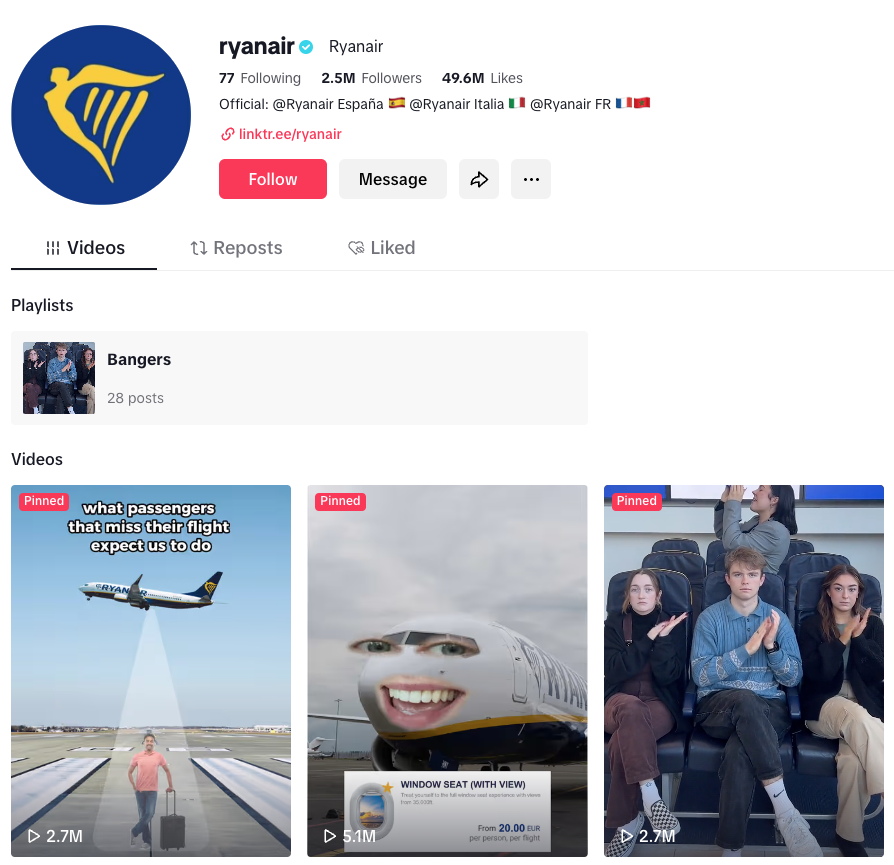
The rise of content algorithms, particularly on TikTok, has levelled the playing field. You don’t need a celebrity like Snoop Dogg or an A-list player to succeed. Wes Hosie observes:
“You can create an outsized impact with the right story. Sometimes people are hesitant because they see massive sponsorship deals and think they can't compete. But if you plan early, craft a relevant narrative, and execute it well, you can achieve incredible returns.”
“Sport represents people, culture, food, and music – the things they stand for. Social media is the perfect platform to showcase this and create lasting relevance.”
Frequently asked questions
Who was on the WTM London panel?
Do destinations need celebrity sponsorships to compete with bigger markets?
What does 'reactive' marketing look like for tourism boards?
Published · Updated · Last reviewed
Reviewed by Frank Marr, Co-founder