Over the past decade, serverless computing has rapidly evolved into a key component of cloud technology, transforming the way software is developed and deployed around the globe. Although the term “serverless” might be a bit misleading—after all, servers are still very much involved, albeit managed entirely by the cloud provider—this paradigm shift means developers no longer need to worry about server provisioning, scaling, or maintenance. Instead, they can focus on writing code, iterating rapidly, and getting their products to market at warp speed, ultimately resulting in less fuss over infrastructure and more time to innovate.
This article examines the practical benefits of serverless from an agile development perspective, outlines the cost-savings potential of a “pay per use” model, and critically reviews its real-world impact along with the inherent concerns. While serverless can be a game-changer for many cutting-edge projects, it isn’t for everyone—it caters to a niche where rapid scalability and reduced operational overhead are a top priority. Read this article to find out if serverless aligns well with your specific application patterns and organizational needs.
The Agile Connection: Code More, Worry Less
One of the most frequently cited advantages of serverless computing is its alignment with agile development methodologies. By eliminating the need to manage server environments, developers can focus more on iterating features and refining business logic. Traditional server-based deployments often require advance capacity planning, whereas serverless architectures scale automatically based on demand. For example, an application experiencing a sudden traffic spike will automatically scale up, and when demand decreases, it scales down—potentially even to zero.
However, this convenience comes with trade-offs. Automatic scaling reduces infrastructure-related delays during development sprints, but it also introduces dependencies on the cloud provider’s systems. Additionally, while serverless enables rapid experimentation, the abstraction of infrastructure details can sometimes make debugging and performance optimization more challenging. Teams must weigh these factors carefully when deciding whether serverless suits their workflow.
Key Features of Serverless Architecture
Serverless computing is characterized by several defining features:
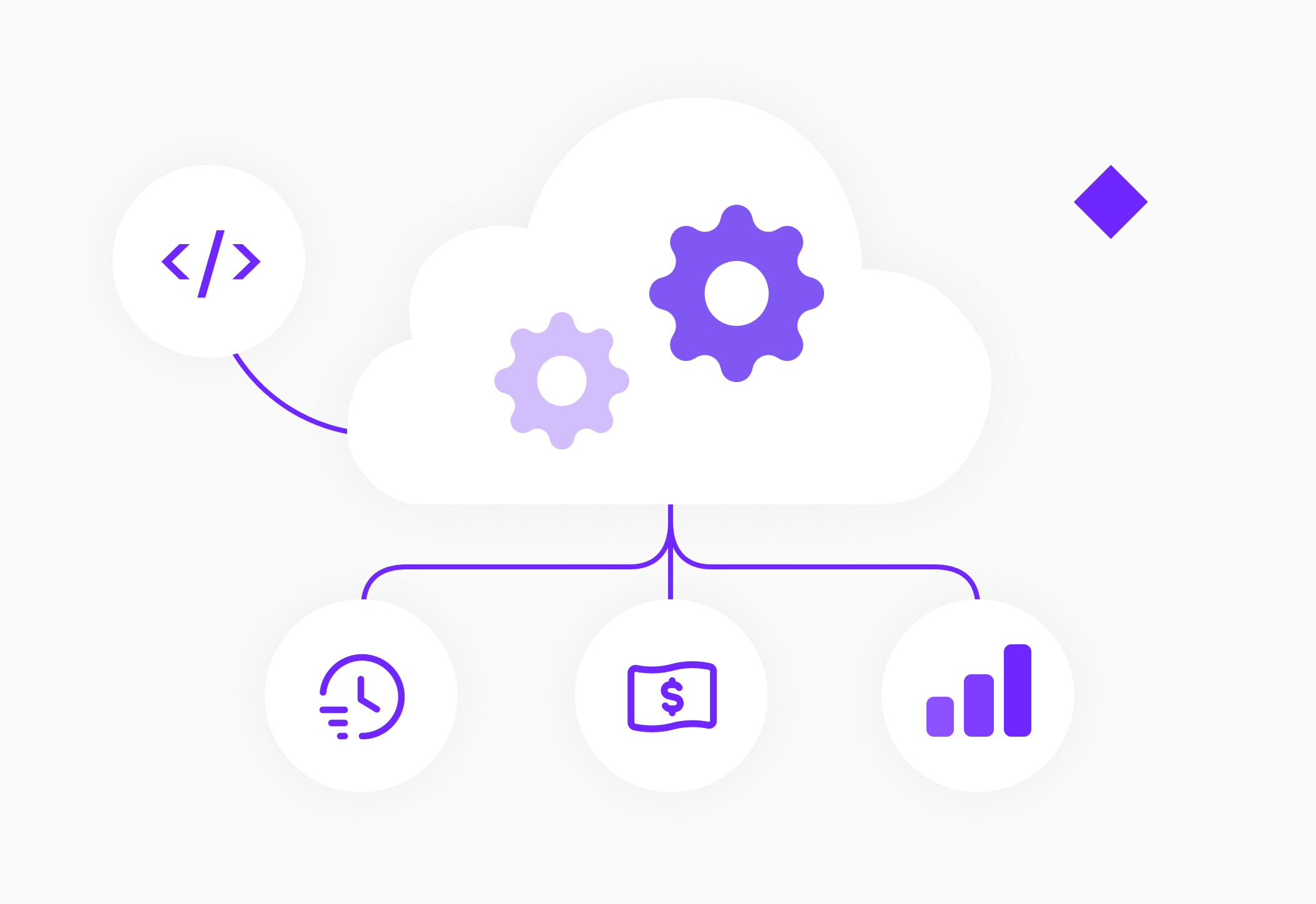
Automatic Scaling: Applications scale dynamically based on demand. While this ensures resources match workload requirements, it can lead to unpredictable costs if traffic patterns are not well understood.
Usage-Based Billing: Instead of paying for reserved capacity, users are billed only for the compute time consumed. While this can reduce costs for intermittent workloads, it may not always be cost-effective for steady, high-demand applications.
Seamless Deployment: Developers upload code without worrying about underlying infrastructure. However, this ease of deployment can obscure the complexity of the system, making it harder to troubleshoot issues or migrate to another platform.
While these features simplify many aspects of development, they also introduce new considerations that teams must address.
Real-World Impact: Success Stories and Challenges
Several companies have successfully implemented serverless architectures, achieving notable benefits.
LEGO: Once reliant on local servers, LEGO faced challenges during major product launches and promotional events when managing traffic spikes became critical. By moving to serverless, LEGO can effortlessly scale its backend to handle unpredictable demand, ensuring smoother customer experiences while significantly reducing operational overhead.
Netflix: The streaming giant leverages serverless for numerous backend tasks, enabling rapid deployment and agile iteration on new features. Despite challenges stemming from stateful components like databases, Netflix has successfully integrated serverless code alongside traditional architectures, demonstrating a “best-of-both-worlds” approach that enhances both agility and overall performance.
Branch: In his book “Serverless as a Game Changer”, Joseph Emison explains how his company Branch—an insurance solutions specialist—implemented a full-stack serverless system to drive efficiency by offloading routine tasks to managed providers. This strategy enables faster, cheaper software deployment and lets organizations focus on their unique value. Emison also highlights that by eliminating the complexities of server management, companies can invest more in innovation, accelerating time-to-market, boosting ROI, and building a competitive "moat".
These examples demonstrate that serverless can deliver value, but success depends on thoughtful implementation tailored to each organization’s unique context.
Cost Savings Deep Dive: Balancing Agility and Planning
Serverless computing promises cost savings through its usage-based billing model, avoiding fixed costs associated with traditional servers. However, the actual savings depend heavily on workload characteristics and team expertise.
Potential Benefits:
- Reduced Maintenance Burden: Fewer infrastructure responsibilities mean smaller teams can manage larger projects. Simplified codebases can lower bug rates, reducing ongoing maintenance costs.
- Lower Infrastructure Costs for Variable Demand: For applications with intermittent or unpredictable traffic, serverless eliminates idle server costs, leading to significant savings.
Potential Drawbacks:
- Continuous Workloads May Be Costlier: If an application runs consistently or experiences minimal fluctuations in demand, the cost per invocation under serverless models might exceed the expenses of maintaining dedicated servers.
- Risk of Overreliance on Speed: Teams prioritizing speed over optimization risk inefficient resource usage, which could negate long-term savings. Effective serverless strategies require both agility and careful planning.
In short, while serverless offers financial advantages in dynamic scenarios, it may not always be the most economical choice for stable, high-demand workloads.
Addressing Common Concerns: Cold Starts and Vendor Lock-In
No discussion of serverless computing is complete without addressing two major concerns:
Cold Starts: Initial delays occur when functions remain inactive for extended periods. These latency spikes can degrade user experience, especially for latency-sensitive applications. Mitigation strategies include using provisioned concurrency to keep instances warm or optimizing deployment packages for faster startup times. However, these solutions add complexity and may increase costs.
Vendor Lock-In: Proprietary APIs and platform-specific features can make migrating to another provider difficult. To mitigate lock-in risks, organizations can abstract vendor-specific logic, use open-source frameworks, or adopt containerization for greater portability. Nevertheless, these measures require additional effort and expertise.
Conclusion
Serverless computing represents a transformative approach to software development, offering faster iteration cycles, potential cost savings, and true scalability. However, it is not a one-size-fits-all solution. While it excels in scenarios requiring rapid scalability and reduced operational overhead, it may present challenges for workloads with predictable, continuous demand or organizations seeking greater control over their infrastructure.
By understanding both the benefits and limitations of serverless computing, businesses can make informed decisions about whether it aligns with their goals. Before committing to serverless, consider consulting experts to evaluate its feasibility and design a strategy tailored to your unique needs.
Book a free consultation today, and let our experts help you determine if serverless is the right fit for your business.
Frequently asked questions
When does serverless save real money?
How serious are cold starts in 2026?
Should I worry about vendor lock-in?
Published · Updated · Last reviewed
Reviewed by Girts Ledins, CEO